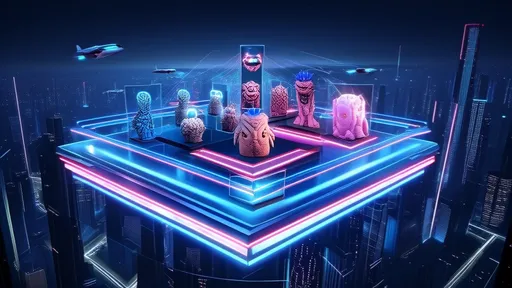
The concept of the metaverse has evolved from science fiction to a tangible digital frontier, and with it comes the need for innovative platforms that bridge the gap between virtual and physical worlds. One such groundbreaking development is the emergence of the Metaverse Skin Vault, a digital asset materialization platform that allows users to transform their virtual identities, wearables, and collectibles into real-world objects. This fusion of digital and physical realms is redefining ownership, creativity, and commerce in ways previously unimaginable.
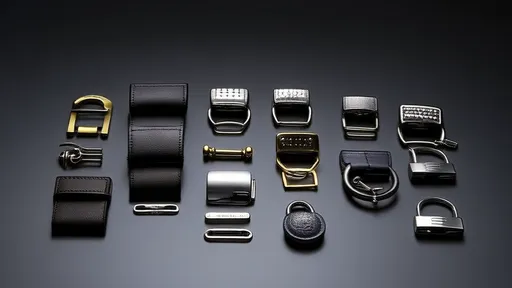
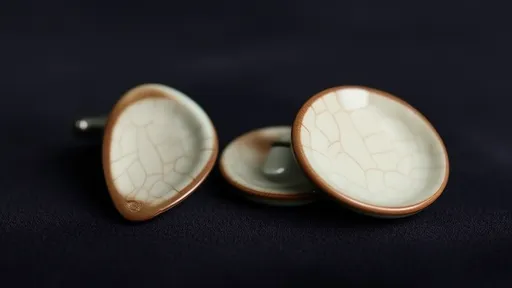
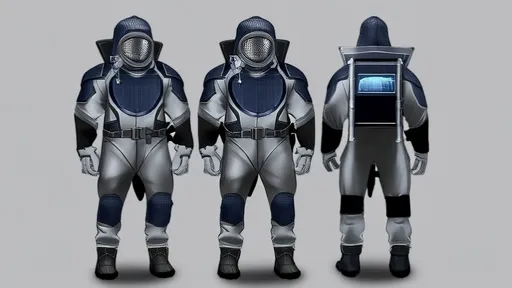
At its core, the Metaverse Skin Vault serves as a repository for digital skins—customizable designs that users apply to their avatars, weapons, vehicles, or even virtual real estate in games and metaverse environments. These skins, often purchased or earned as NFTs (non-fungible tokens), hold significant value in digital ecosystems. The platform takes these assets a step further by offering high-quality physical renditions, whether as printed apparel, 3D-printed figurines, or other bespoke merchandise. This not only enhances the perceived value of digital items but also allows users to showcase their virtual personas in the real world.
The technology behind this platform is as impressive as its vision. Advanced 3D modeling, augmented reality (AR) previews, and precision manufacturing techniques ensure that the transition from pixel to product is seamless. Users can upload their digital skins, customize materials and finishes, and even preview how the physical version will look before committing to production. For gamers and metaverse enthusiasts, this means their favorite in-game cosmetics can now adorn their shelves or wardrobes, blurring the lines between their online and offline identities.
Beyond personal use, the Metaverse Skin Vault has significant implications for creators and brands. Digital artists and designers who create skins for virtual worlds can now monetize their work in a new dimension by offering physical counterparts. Fashion brands experimenting with digital-only collections can leverage the platform to bring their metaverse designs into the physical retail space. This dual presence strengthens brand engagement and opens up additional revenue streams, making the platform a valuable tool for the growing digital fashion industry.
However, the rise of such platforms also raises questions about intellectual property, sustainability, and the environmental impact of materializing digital goods. The Metaverse Skin Vault addresses these concerns by implementing blockchain-based verification to ensure authenticity and ownership rights. Additionally, the platform partners with eco-conscious manufacturers to minimize waste, using recyclable materials and on-demand production to avoid overstock. These measures not only align with the values of environmentally aware consumers but also set a precedent for responsible innovation in the metaverse economy.
As the metaverse continues to expand, the demand for interoperability between digital and physical assets will only grow. The Metaverse Skin Vault is at the forefront of this movement, offering a glimpse into a future where our virtual and real lives are more intertwined than ever. Whether for self-expression, investment, or pure novelty, the ability to materialize digital assets marks a pivotal moment in the evolution of how we perceive and interact with value in an increasingly digital world.
The implications extend beyond individual users and creators. Entire industries, from gaming to fashion to collectibles, are taking note of this shift. Esports organizations, for example, can produce limited-edition physical merchandise based on their team’s in-game skins, offering fans a new way to show support. Meanwhile, luxury brands dipping their toes into the metaverse can create exclusive physical drops tied to their digital releases, fostering a sense of rarity and prestige. The Metaverse Skin Vault thus becomes not just a platform but a cultural bridge, connecting disparate worlds in a cohesive ecosystem.
Looking ahead, the potential for expansion is vast. Imagine a world where your avatar’s virtual sneakers can be ordered as real-life kicks with the same design, or where your meticulously curated NFT art collection is displayed as a physical gallery in your home. The Metaverse Skin Vault is laying the groundwork for these possibilities, pushing the boundaries of what digital ownership means. As technology advances and consumer adoption grows, this platform could very well become a cornerstone of the metaverse economy, transforming how we think about—and touch—our digital lives.

By /Jul 16, 2025
By /Jul 16, 2025

By /Jul 16, 2025
By /Jul 16, 2025

By /Jul 16, 2025

By /Jul 16, 2025

By /Jul 16, 2025
By /Jul 16, 2025

By /Jul 16, 2025

By /Jul 16, 2025

By /Jul 16, 2025
By /Jul 16, 2025
By /Jul 16, 2025
By /Jul 16, 2025

By /Jul 16, 2025

By /Jul 16, 2025

By /Jul 16, 2025
By /Jul 16, 2025