The Internet of Things (IoT) has rapidly evolved over the past decade, connecting billions of devices worldwide. Among the most promising advancements in this field is the emergence of environment-powered IoT devices. These innovative systems harness energy from their surroundings—such as solar, thermal, or kinetic sources—eliminating the need for traditional batteries or wired power supplies. As sustainability becomes a global priority, the potential for self-sustaining IoT networks is capturing the attention of industries, governments, and researchers alike.
The Rise of Energy-Harvesting Technologies
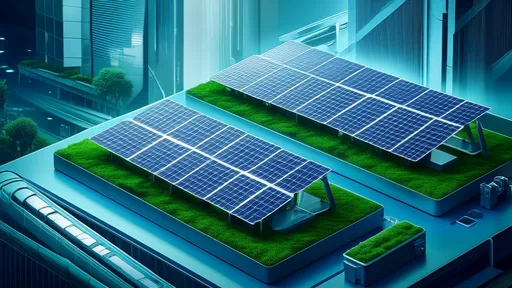
Environment-powered IoT devices rely on energy-harvesting technologies to function autonomously. Solar cells, for instance, convert ambient light into electricity, while piezoelectric materials generate power from vibrations or mechanical stress. Thermoelectric generators, on the other hand, exploit temperature differences to produce energy. These methods are not entirely new, but recent advancements in material science and microelectronics have significantly improved their efficiency and affordability. The result is a new generation of IoT devices capable of operating indefinitely without human intervention, provided they remain in an environment with sufficient energy sources.
Applications Across Industries
The applications of environment-powered IoT devices span multiple sectors. In agriculture, solar-powered sensors monitor soil moisture and nutrient levels, enabling precision farming with minimal maintenance. In smart cities, kinetic energy harvested from foot traffic can power streetlights or air quality monitors. Industrial settings benefit from vibration-powered sensors that track equipment health, reducing downtime and maintenance costs. Even healthcare is exploring these technologies, with wearable devices that generate energy from body heat or movement. The versatility of these systems makes them a compelling solution for remote or hard-to-reach locations where battery replacement is impractical.
Challenges and Limitations
Despite their promise, environment-powered IoT devices face several hurdles. Energy availability is inconsistent—solar panels fail in prolonged darkness, and vibrations may not always be present. This intermittency requires sophisticated power management systems to store excess energy or enter low-power states during shortages. Additionally, the initial cost of energy-harvesting components can be higher than conventional batteries, though this is offset by long-term savings. There are also concerns about durability, as some energy-harvesting materials degrade over time when exposed to harsh conditions. Addressing these challenges will be critical for widespread adoption.
The Role of 5G and Edge Computing
The integration of 5G networks and edge computing could accelerate the deployment of environment-powered IoT devices. 5G's low latency and high bandwidth enable real-time data transmission, while edge computing reduces the energy burden by processing data locally instead of sending it to distant servers. This synergy allows energy-efficient devices to perform complex tasks without draining their limited power reserves. For example, a solar-powered surveillance camera could use edge AI to analyze video footage on-device, transmitting only relevant alerts rather than continuous streams. Such innovations make it feasible to deploy these devices at scale.
Environmental and Economic Impact
The environmental benefits of self-powered IoT devices are undeniable. By eliminating disposable batteries, they reduce electronic waste and the toxic chemicals associated with battery production. They also lower the carbon footprint of IoT networks by minimizing the energy drawn from fossil fuel-powered grids. Economically, businesses can save on maintenance and operational costs, particularly in large-scale deployments. Governments investing in smart infrastructure may find these devices especially appealing, as they align with sustainability goals while offering long-term reliability. The cumulative effect could be a significant reduction in both ecological harm and expenses.
Future Prospects and Innovations
Looking ahead, researchers are exploring novel energy sources, such as radio frequency (RF) harvesting, which captures energy from ambient Wi-Fi or cellular signals. Hybrid systems that combine multiple harvesting methods—like solar and thermal—are also under development to ensure more consistent power output. Meanwhile, advancements in ultra-low-power electronics and energy storage, such as solid-state batteries or supercapacitors, could further enhance device performance. As these technologies mature, environment-powered IoT devices may become the standard rather than the exception, reshaping how we think about connectivity and sustainability.
The trajectory of environment-powered IoT devices suggests a transformative shift in the tech landscape. While challenges remain, the convergence of energy-harvesting innovations, 5G, and edge computing creates a fertile ground for growth. Industries that adopt these solutions early stand to gain a competitive edge, both in terms of operational efficiency and environmental stewardship. As the world moves toward greener technologies, self-sustaining IoT networks will likely play a pivotal role in building a more sustainable and interconnected future.
By /Jul 11, 2025

By /Jul 11, 2025

By /Jul 11, 2025

By /Jul 11, 2025
By /Jul 11, 2025

By /Jul 11, 2025

By /Jul 11, 2025

By /Jul 11, 2025

By /Jul 11, 2025

By /Jul 11, 2025

By /Jul 11, 2025

By /Jul 11, 2025

By /Jul 11, 2025
By /Jul 11, 2025

By /Jul 11, 2025

By /Jul 11, 2025

By /Jul 11, 2025

By /Jul 11, 2025